
Breaking the Clock
Why short fiction bends, breaks and folds time, and why writers should stop apologising for it.


Time in short stories is like a well trained dog. Obedient and likeable and behaves itself. While, Time in short stories is like a cat. It does what it wants to unabashedly and unapologetically.
It will hop, jump and land in the childhood. Then it will laze around and stroll in into a funeral. Then it will climb up a tree and leap into someone’s kitchen and make the mundane interesting. It knows it’s not bound by anything and anyone. It is free to roam around as it pleases. And it knows that’s what makes it interesting and gives it chutzpah.
Welcome to the magic of short fiction, which isn’t bound by (chronological) politeness like its spirit animal, the cat. To be honest, it is the randomness in the timeline that makes a good short story stand out. Because, as humans we don’t remember our life moments chronologically.
If I were to ask you the happiest day of your life, chances are you won’t start with the latest moment. Even if you do, you will hop. You will jump. You will skip and take a detour because you get reminded of the dog eared notebook and your time in that inn on that mountain, which in turn reminds you of the clear blue skies and a falcon on the tree outside your granny’s house, which reminds you of the herbal tea that she used to make and serve in her precious china.
You see, memory is unreliable and emotion is non-linear. Our brain isn’t wired to retain information like a calendar. And short stories understand this beautifully. Maybe that’s why they feel so true despite of their ‘haphazard’ structure.
Compression: The Literary Equivalent of a Magic Trick
As a new writer when we start writing, the first thing we discover is that there’s not enough space! And as we write we discover that space was never really the point. Because compression isn’t about cutting words. It’s about creating the illusion of vastness inside a tiny container. Like the stories that seem to encompass an entire lifetime. And it’s not because they are talking about every moment or year. It’s because they know which moments to talk about.
One dinner.
One unanswered phone call.
One wedding photograph.
One sentence beginning with Twenty years later…
And that’s all it needs. What is left unsaid, the readers fill it in because reading is a collaborative affair. Not a guided tour. It also means that as a writer you trust your reader. You don’t underestimate your reader and spoon feed them. And in turn the reader constructs an entire emotional landscape from a handful of carefully placed stones.
This is like a novelist telling you about how a bridge was built. While a short story writer points across the ravine and says, “You’ll get there.” And the readers do.
Flash-Forward: Spoilers That Somehow Make Things Better
At some point in time we have all been told by our creative writing teachers that the opening shouldn’t spoil the ending. Fair enough. But the maverick short story says, “why not?” And a short story writer goes ahead and does just that.
“A man stood upon a railroad bridge in northern Alabama, looking down into the swift water twenty feet below.” - An Occurrence At Owl Creek Bridge
“When Miss Emily Grierson died, our whole town went to her funeral: the men through a sort of respectful affection for a fallen monument, the women mostly out of curiosity to see the inside of her house, which no one save an old man-servant-- a combined gardener and cook-- had seen in at least ten years.” - A Rose For Emily
You see? The story opens with telling you what happened. Now as a reader you are on tether hooks wanting to know how do we get there? And that makes for a far more interesting mystery. Knowing the destination often heightens tension rather than destroying it. Every ordinary conversation suddenly carries extra weight. And casual decision is no longer casual because the reader already knows consequences are lurking just around the corner.
It’s like watching someone walk across thin ice after you’ve already seen the crack. Is the suspense diminished? You tell me!
Tiny Stories with Large Shadows
One of the peculiar strengths of short fiction is its willingness to imply far more than it explains. A story can occupy fifteen minutes of fictional time while hinting at fifty years outside the frame. Time stretches and contracts according to emotional gravity and not by clockwork precision. The heavier the emotional moment, the slower time feels. The less important the transition, the faster it vanishes.
The Spaces Between Scenes Are Doing More Than You Think
One of the most underappreciated sentences in short fiction is the invisible one. Not what’s written but what’s omitted. Readers instinctively understand that time has shifted even if you never announce it. And trusting these gaps is a little difficult for a new writer. The temptation is to explain everything. How they travelled. Why they changed jobs. When they got married. Who inherited the house.
Trust me, when I say, if the answers to these questions do not deepen the emotional experience, you are better off without them. You can have them written in a separate notebook or a word document and refer to them as the writer. Because for the reader silence carries astonishing narrative weight and so does absence.
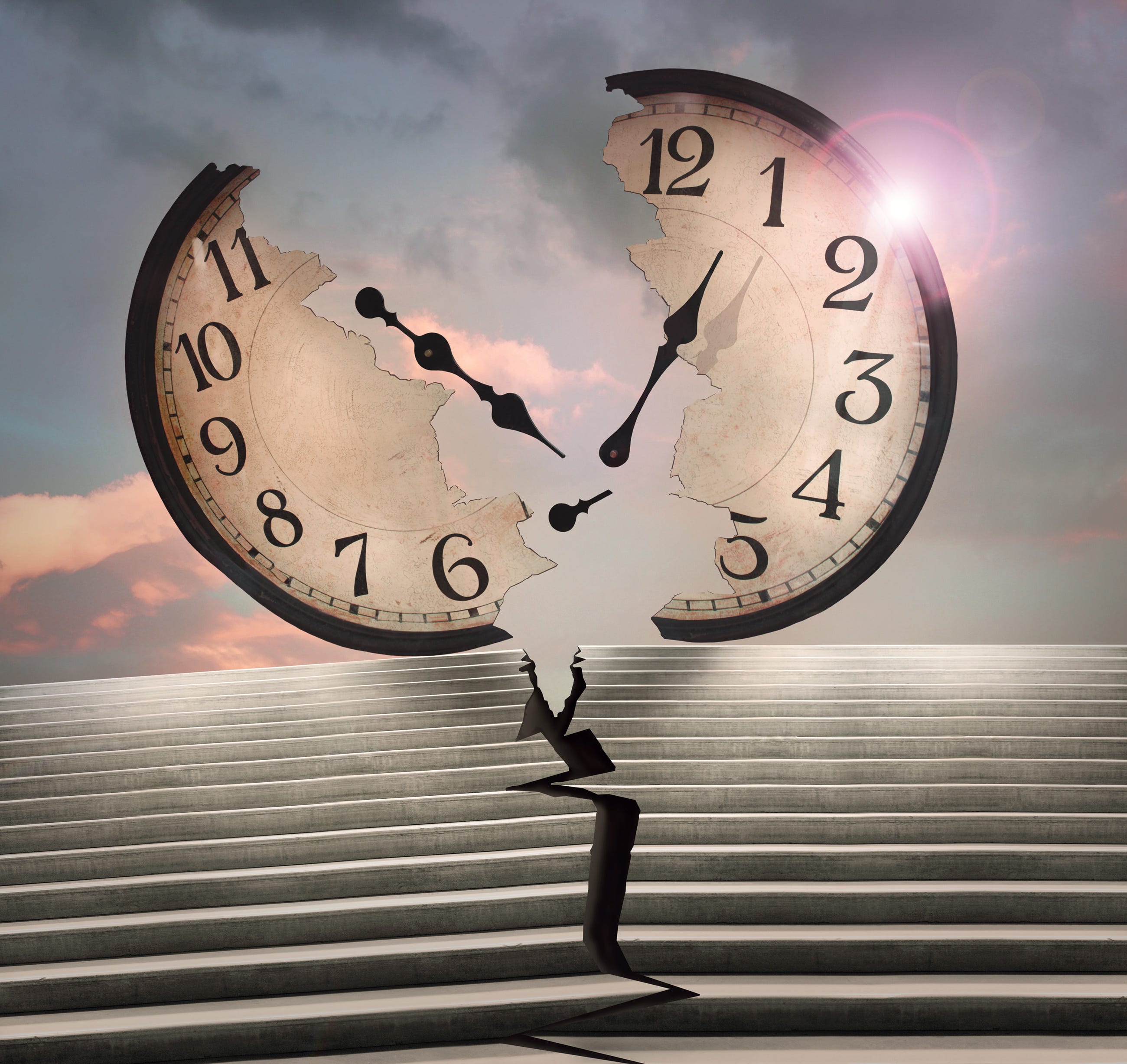
Time Isn’t the Story. Change Is.
This is where things become counterintuitive. Readers often think they’re following events. Actually, they’re following transformation. The calendar is merely the scaffolding. A story about twenty years isn’t necessarily bigger than one about twenty minutes. If nothing changes across twenty years, the story feels static. If everything changes during twenty minutes, it feels monumental.
That’s why some of the shortest stories linger longest because the scale isn’t measured in duration. It’s measured in emotional distance travelled. A character can cross continents and remain exactly the same. Another can move from denial to acceptance between pouring two cups of tea.
Why Short Fiction Gets Away With Narrative Mischief
Here’s what I think. Readers approach novels expecting immersion. They approach short stories expecting concentration. And these expectations change the writing ‘rules.’ This agreement between the reader and the writer gives the short story the cheek to not behave.
That’s why it can reverse chronology. Collapse decades. Loop endlessly. Reveal endings first. Skip beginnings entirely. Treat memory as geography. Turn possibility into reality and back again. You see as long as the emotional logic remains intact, readers will forgive astonishing structural audacity. Sometimes they may even celebrate it.
A Handy Question for Every Short Story Writer
Maybe the right question to ask as a writer is not: What happens first?
But, What does the reader need to feel first?
This may make your story begin in reverse. Or the ending becomes the opening as well. Or you decide to edit out your favourite sentence because it is not adding anything to the story. And you learn that time in short fiction isn’t a railway timetable. It’s elastic and subjective. And that’s what makes a short story so engaging. Feral. In a good way.